
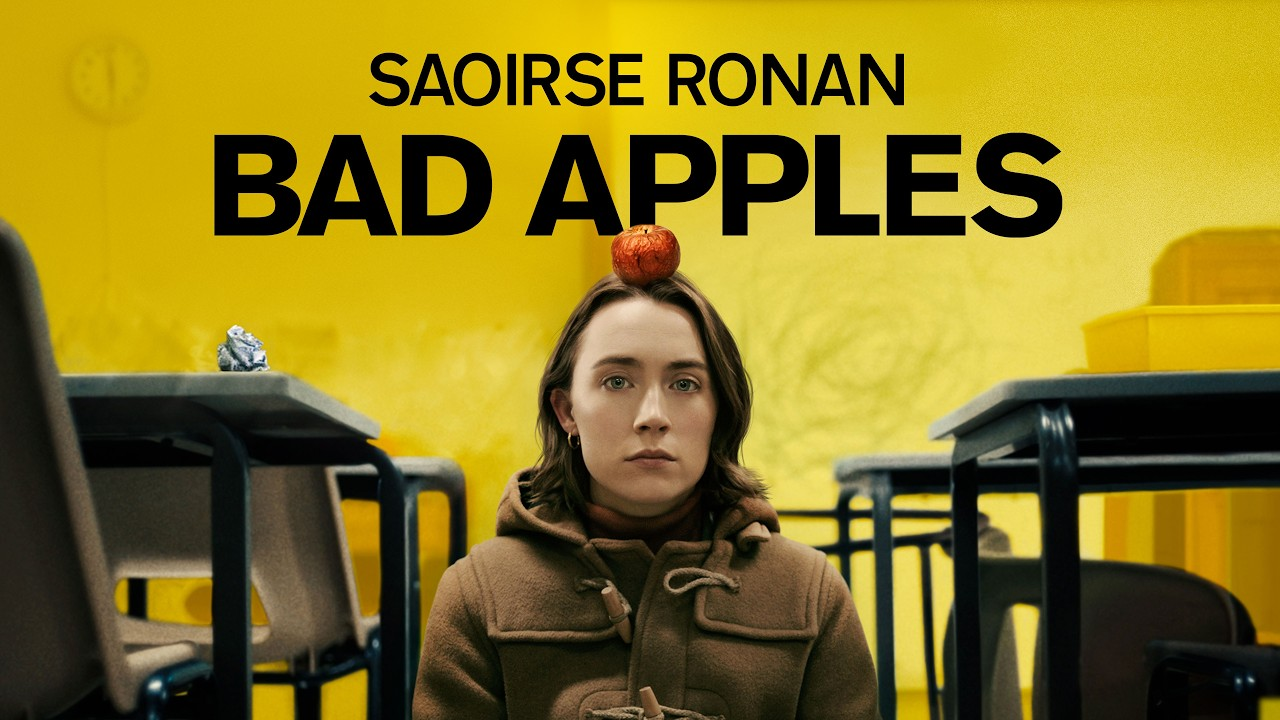
A few months back there was a film released called Good Boy, which starred Stephen Graham as a man who kidnaps a criminal, chains him up in his cellar and tries to rehibilitate him. Now we get Bad Apples, a film that follows similar lines, except this time it’s a primary school teacher and an out of control student. Good Boy was more of a psychological thriller, whereas Bad Apples is, according to Joantan Etzler, a satire. While these two films do follow similar lines, you can excuse the former as it doesn’t set out any moral high ground. Whereas the latter is far more complex in that this is a child and, quite frankly, while I think the performances are great here, I didn’t believe a word of it.
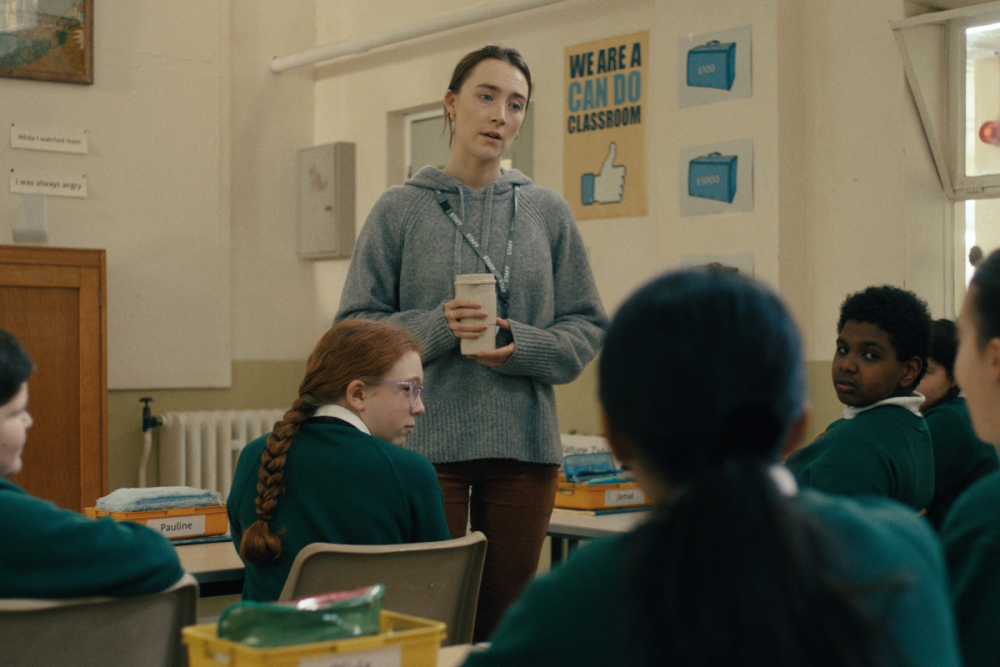
Maria is struggling with a difficult student in her class. Danny follows his own rules, seems to have anger issues, and when he finally injures a fellow classmate, it has to stop. With Ofsted coming in, Maria goes to find Danny to stop him from coming into school. Still, a series of questionable decisions leads Maria to hold Danny captive in her basement, which brings peace and tranquillity to her class and a determination to change the young Boy.
Based on a novel by Rasmus Lindgren, this throws up questions as to the paths we follow when under pressure and help is not at hand. Maria’s decision to kidnap Danny was not something she planned, but events took a turn for the worse when she looked for the boy, and it could have cost her her job. Having Ofsted enter a classroom with a disruptive student will never score highly. You can see the reasonings behind it, but would you seriously hold a child captive in a basement? Especially when the police are looking for him.
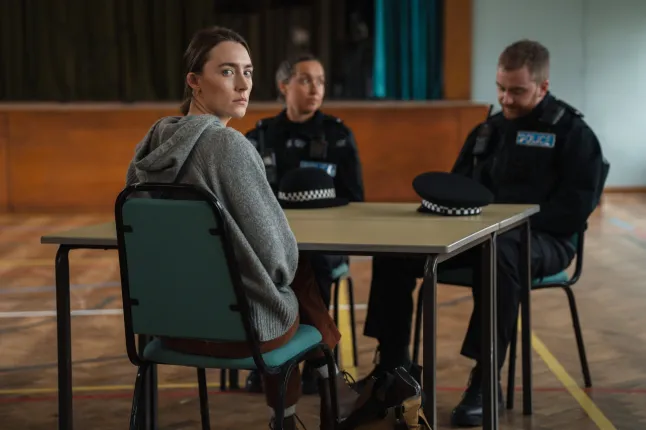
Films that deal with subject matter involving children have to be handled carefully, and this does manage that, but what is so problematic is that would a mild-mannered schoolteacher go to such extremes? There is, however, a much more interesting story than Danny’s imprisonment: Pauline, a pupil who has an unnerving obsession with being the teacher’s pet. Hers is a much more sinister tale; you find yourself drawn more to her behaviour than to what is happening with Danny.
There is a moment in the film where there is the teacher-parent meeting that does hinge the whole thing together, but it comes far too late in the proceedings and you wonder if this had happened much earlier, the film would have worked better. It seems they all agree that life without Danny is a better one, and even the child’s rehabilitation, as Maria tries to teach him while he is locked up, would have pulled the focus away from it all being far too unbelievable.
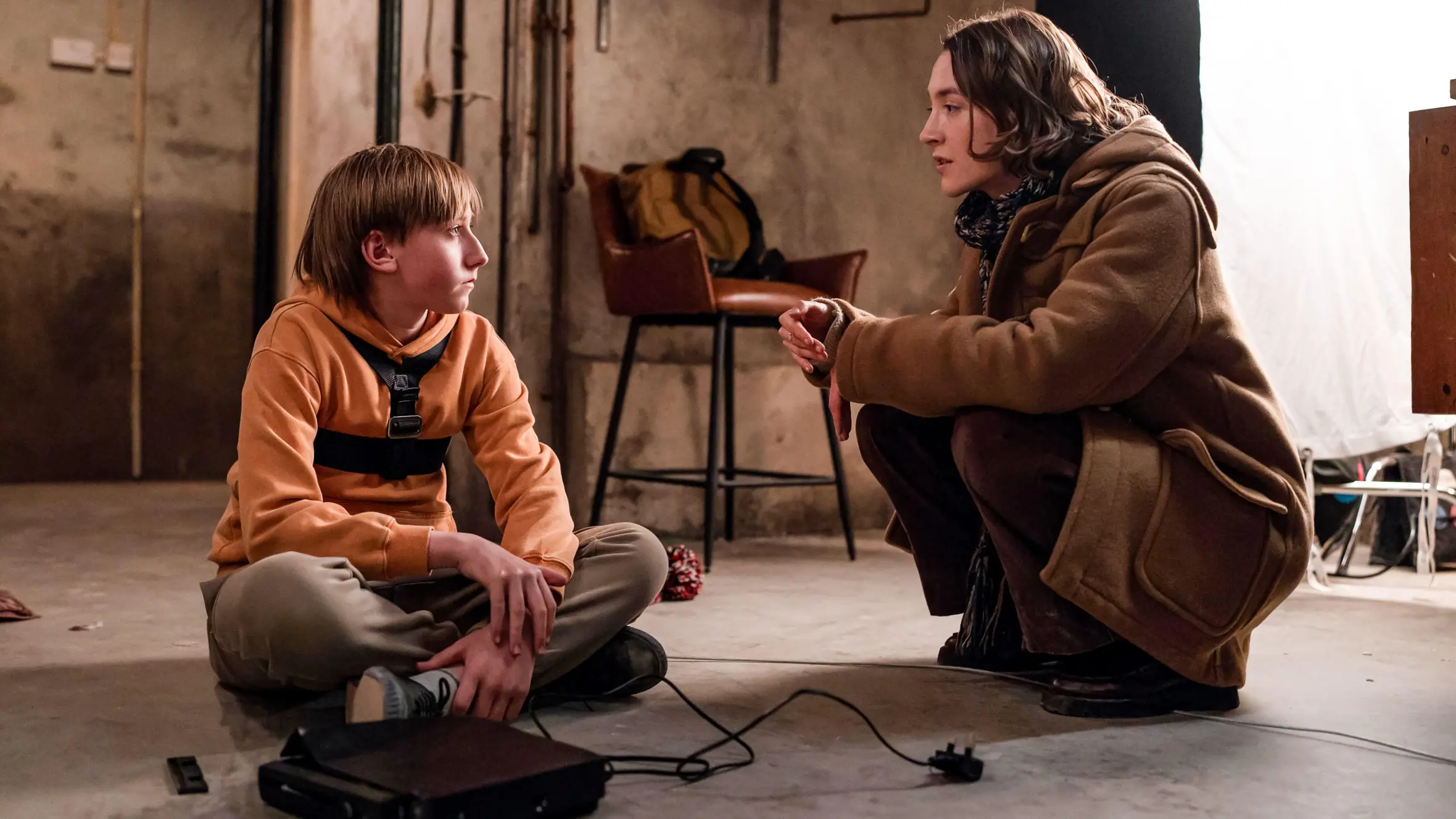
What saves it is the performances. Saoirse Ronan is a powerhouse performer, and she doesn’t disappoint as Maria, a woman whose decisions could cost her everything, but whose willingness to try to make things work for everyone drives her. She has mastered the skill of silence, with some scenes focusing only on her face, and these are the ones that truly elevate her performance. As Danny, Eddie Waller is terrific. A ball of fiery anger and bitterness, he throws everything at his role. If there is a criticism, he seems so much older than his classmates and does look out of place. Finally, Nia Brown as Pauline is brilliant—an utterly unsettling performance to the point that she could be the horror creation of the year.
I really wanted to like Bad Apples, and the cast saved it, but if you are going to make a film that is allegedly a satire, it needs to be darker; it needs to be weirder, and if it’s not going to be believable, go over-the-top, but this doesn’t work.
2 out of 5
Director: Jonatan Etzler
Starring: Saoirse Ronan, Eddie Waller, Nia Brown, Sean Gilder, Robert Emms, Jacob Anderson, Rakie Ayola, Kerry Howard, Jaye Jacobs, Jack Ashton, Kirris Riviere
Written by: Jess O’Kane and (based on the novel) Rasmus Lindgren
Running Time: 100 mins
Cert: 15
Release date: 18th September 2026

